
Meet the team

Mirlinda Ademi
Resident Physician
Perdita Beck
Study Nurse
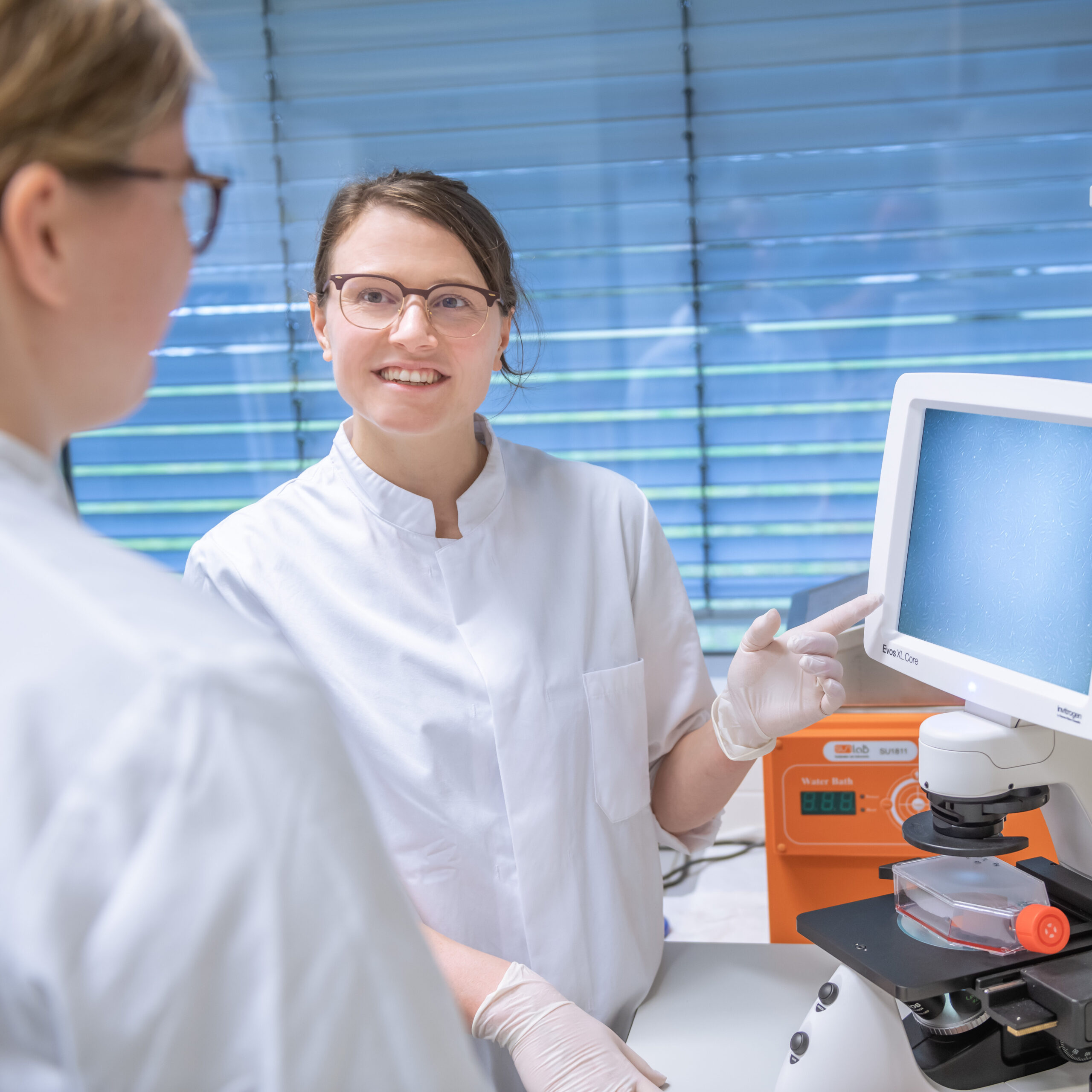
Michaela Hörner
PostDoc
I hold a B.Sc. in Biology and an M.Sc. in Translational Neuroscience from the University of Würzburg, where my interest in rare neurodegenerative diseases began. This led me to pursue a Ph.D. in Neuroscience under Prof. Martini, focusing on neuroinflammation in hereditary spastic paraplegia. After completing my Ph.D., I joined Prof. Schüle’s lab in Heidelberg. Here, my research is dedicated to exploring the therapeutic potential of antisense oligonucleotide (ASO) therapies for rare neurodegenerative diseases. My goal is to enhance our understanding and treatment options for these challenging conditions.



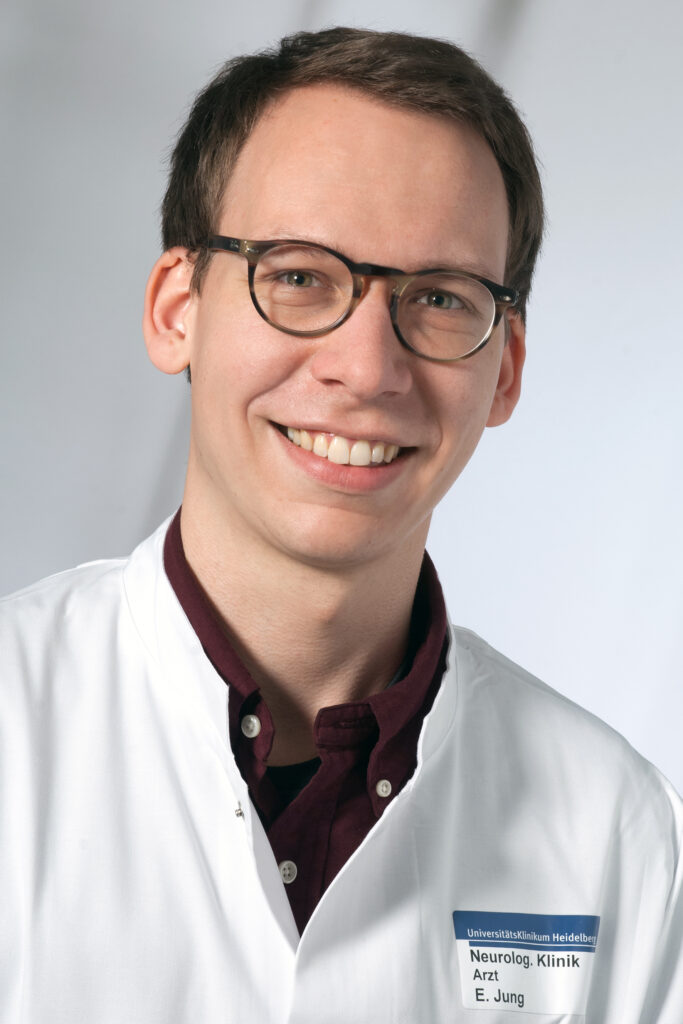
Erik Jung
Resident Physician
I obtained my medical degree at University of Heidelberg with internships at the University Hospital Aalborg, Denmark and Tongji Medical College, Wuhan, China and my doctoral degree under the supervision of Prof. Frank Winkler at the German Cancer Research Center (DKFZ), Heidelberg. My research as a doctoral student and later as a postdoctoral fellow focused on the physiology, molecular determinants and neuroscience of resistant multicellular networks in brain tumors. I started my residency in neurology at the University Hospital Heidelberg in 2018 and joined the Schüle lab as a post-doc in 2022, focusing on rare neurodegenerative diseases (HSP, spastic ataxias) and clinical outcome development.

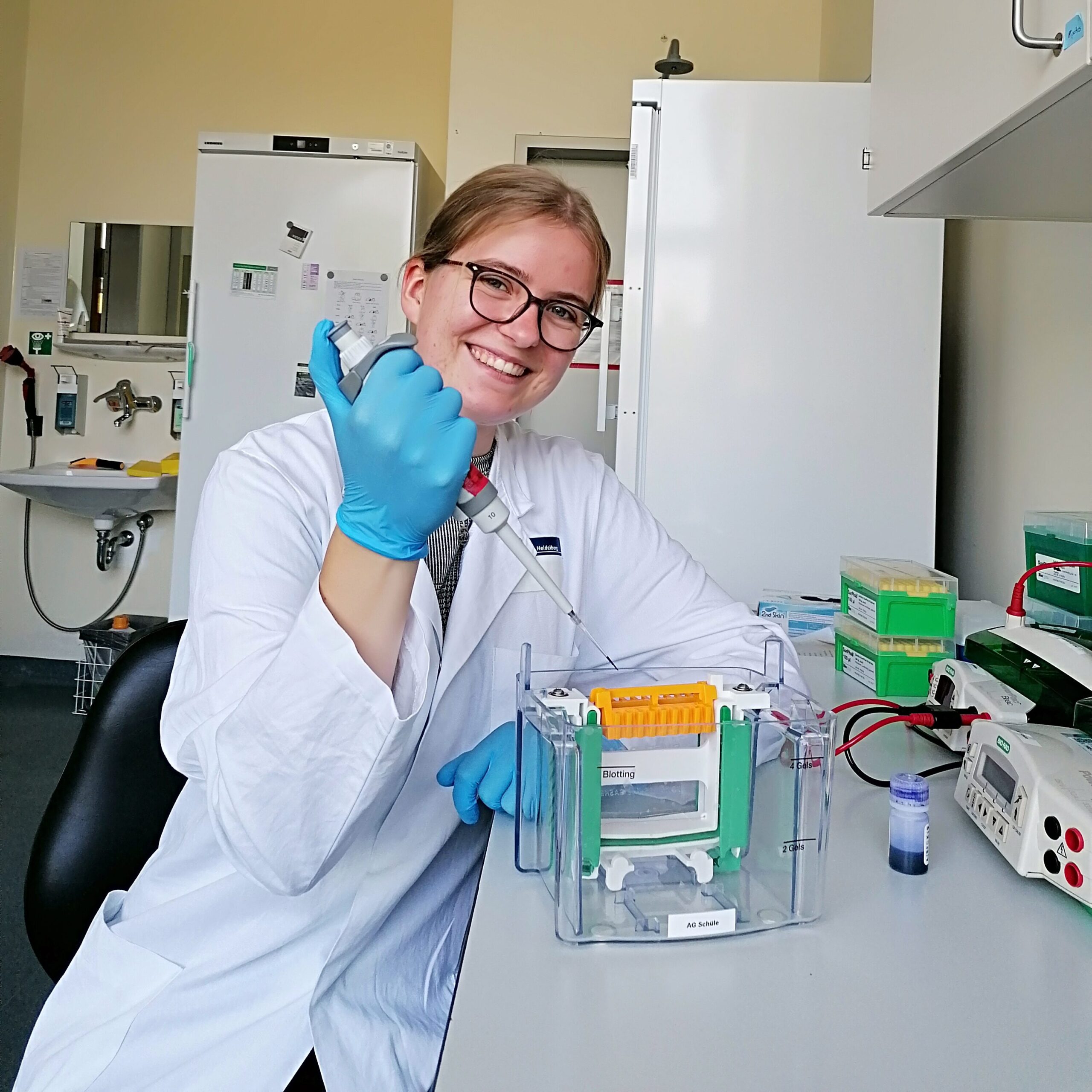
Ingrid Kolen
PhD student
I obtained my bachelors and masters degree in Biomedical Engineering from Eindhoven University of Technology (Eindhoven, the Netherlands). During my studies, I became passionate about applying nucleic acids for diagnostics and therapies, leading to research projects focused on detection platforms utilizing or directly detecting nucleic acids. Currently, I am working on the Medicine Made to Measure project which aims to develop single patient tailored antisense oligonucleotide treatments for patients with nano-rare disease mutations. My focus is to identify splice variants on a large scale as potential new targets for personalized ASO therapy and compiling a catalog of severe neurodegenerative diseases to prioritize ASO development. Additionally, as a proof of concept, an ASO will be developed for Amyotrophic Lateral Sclerosis (ALS) patients.
Alena Losgar
Medical doctoral student
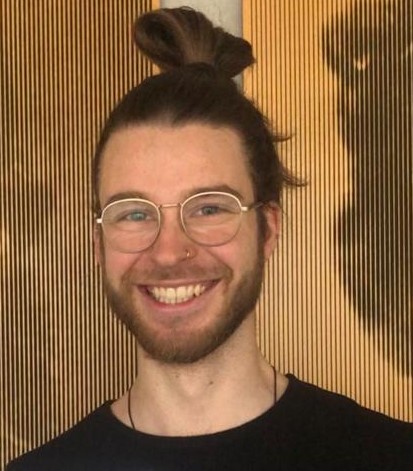
Aaron Jeremia Maas
Research Assistant
I obtained my masters and bachelors in astro- and medical physics at the universities of Heidelberg, Goettingen and La Laguna. My research has been focused on stellar flares and habitabilty in the context of exoplanet sciences and human space exploration. Currently, I am working as a research assitant focussing on neurodegenerative diseases (HSP, Parkinson) and clinical data siences using Redcap, Python and R., while studying medicine.

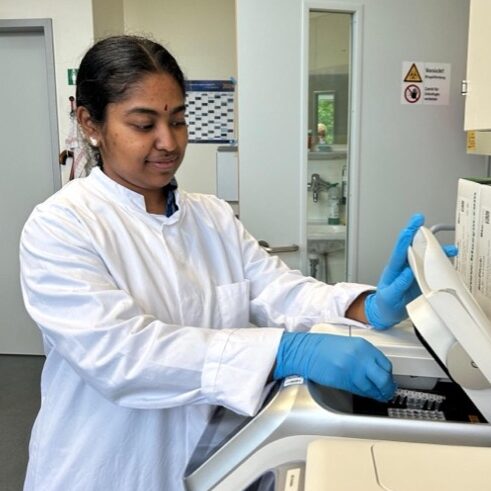
Kalaivani Manibarathi
PhD student
I started my career with a Bachelor’s in Biotechnology from India, driven by the sheer interest on Genetic engineering and Stem cell research, where my focus stumbled upon Neurodegeneration, through the world of protein degeneration in Neural diseases. Then I steered my curiosity into a career choice, by chosing a Master’s degree in Neuroscience at University of Tübingen, wherein I gained practical insights from different fields like iPSC derived retinal organoids, Voltage clamp analysis of KCN2A mediated encephalopathies and GTPase and Kinase activity analysis of LRRK2 mediated Parkinson’s disease. For my PhD, I chose Prof. Rebecca Schüle’s lab at University of Tübingen/University of Heidelberg, to combine my interests in iPSCs as well as RNA therapy, and I am working on POLR3A associated spastic ataxia, where-in I attempt on inhibiting the expression of an intronic-splice mutation with antisense oligonucleotides in in vitro model systems.

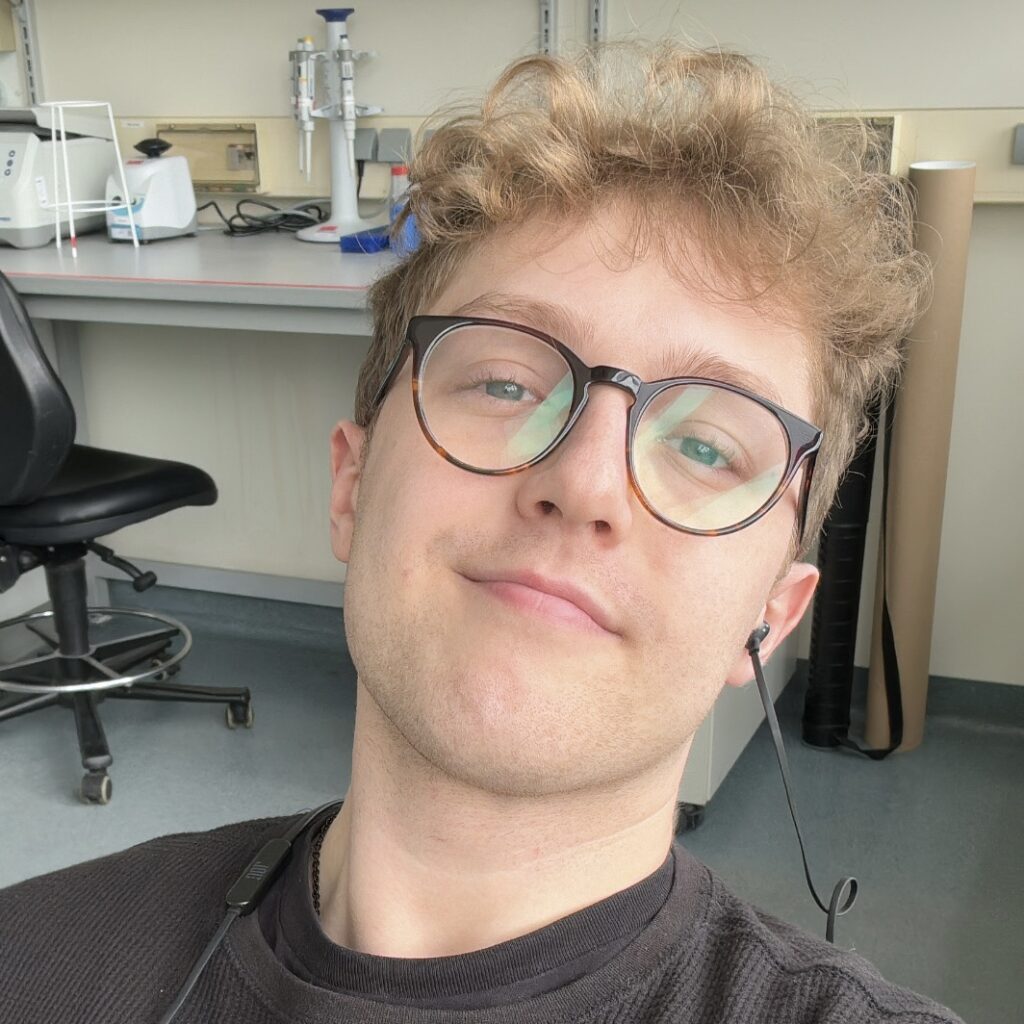
Krzysztof Mrowiec
Research Associate
I am a Biochemist by training. I obtained my Bachelor’s and Master’s degrees at Jagiellonian University (Cracow, Poland) working on the influence of serotonin receptors heteromerization on schizophrenia treatment. After my studies, I became interested in disease modeling and translational science. That’s why I was working as an Intern in Kinase Inhibition and Nanotechnology for Diabetes Research Group (Malopolska Centre of Biotechnology) and Real-Research (Cracow), where I learned state-of-art knowledge about 3D culture and disease modeling using human-induced Pluripotent Stem Cells (hiPSC).
Now, I moved to Germany to work as a Research Associate with Prof. Dr. Med. Rebecca Schüle in Heidelberg University. My main task is to maintain cell culture, especially hiPSC and hiPSC-derived neurons.
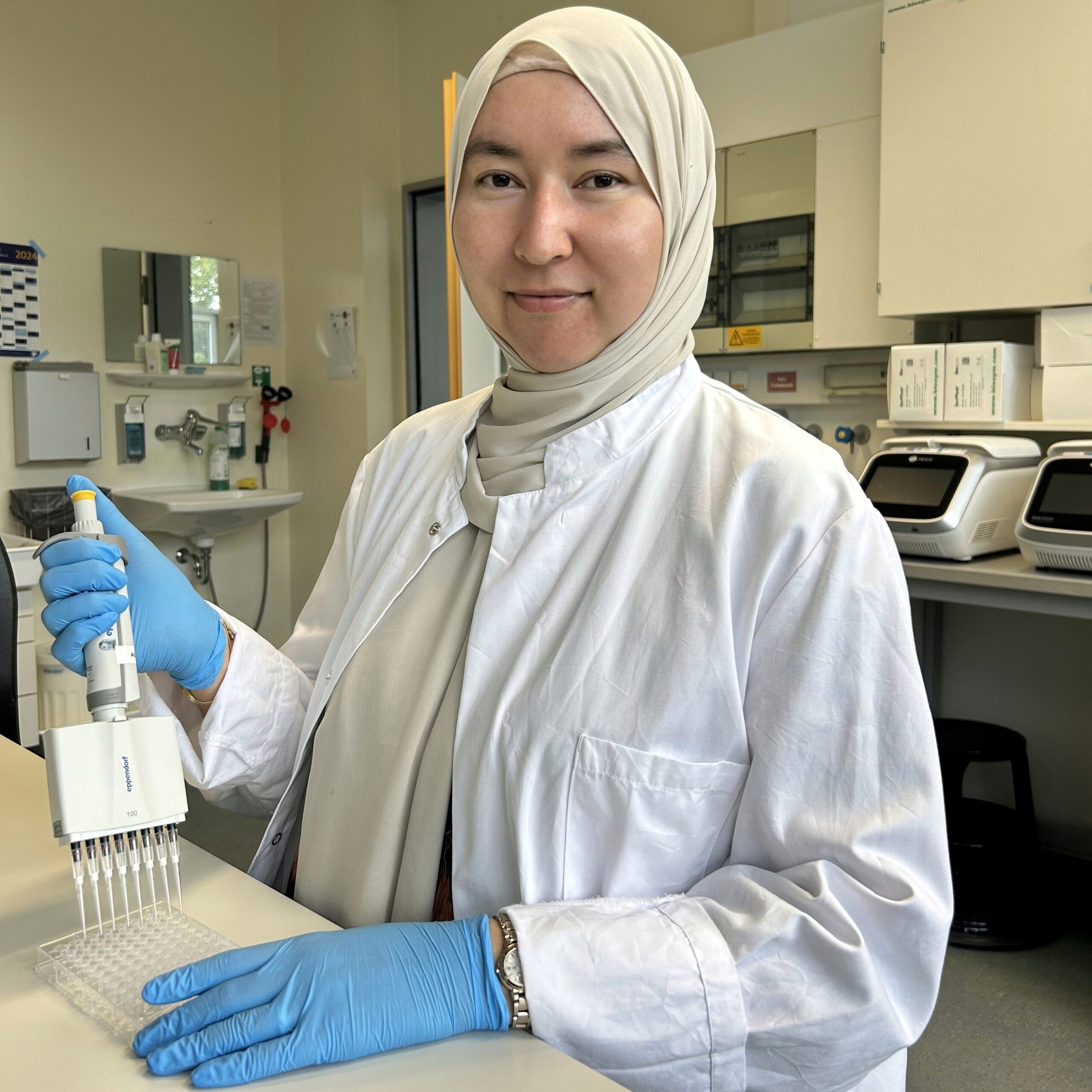
Perwin Perhat
PostDoc
I obtained my Bachelor’s degree in Biotechnology from Shanghai Jiao Tong University in China. Due to my interest in iPSC cells, I chose to study abroad in Japan, where iPSC cells were first developed. I earned both my Master’s and Ph.D. in Stem Cell Technology from Kyushu University, with a research focus on developing an effective feeder cell system for the neural differentiation of stem cells. This work deepened my interest in neuroscience. Following my Ph.D., I worked as a research scientist in the Age-Related Neurodegenerative Diseases Department at Takeda Pharmaceutical Company in Japan for nearly four years. During this time, I gained experience in in vitro disease modeling and high-throughput screening for drug discovery.
I recently relocated to Germany for family reasons and joined Prof. Schüle’s lab as a PostDoc at Heidelberg University in December 2023. My current research focuses on advancing the development of antisense oligonucleotide (ASO) therapies for rare neurodegenerative diseases using patient-derived iPSC cells.

Adam Pollok
Student Assistant
I am a second-year medical student at Heidelberg University, driven by a fascination for neurology. I gained my first practical insights through a one-week internship in the neurology department at the Bernkastel/Wittlich Hospital, where I observed daily medical activities. Additionally, I had the opportunity to experience the general day-to-day life of research during laboratory internship at the biotechnology company Engitix in London.
In my second semester, I enrolled in the elective course „Research in Cognitive Neuroscience,“ led by Prof. Dr. med. Gutschalk and Dr. phil. Rupp. The course covered key areas and findings in cognitive neuroscience, alongside introducing essential neuroimaging techniques like MEG, EEG, and fMRI. In practical sessions and a small research project, I gained valuable hands-on experience with these methods. 2024 I joined the team of Prof. Dr. med. Schüle as a Student Assistant.
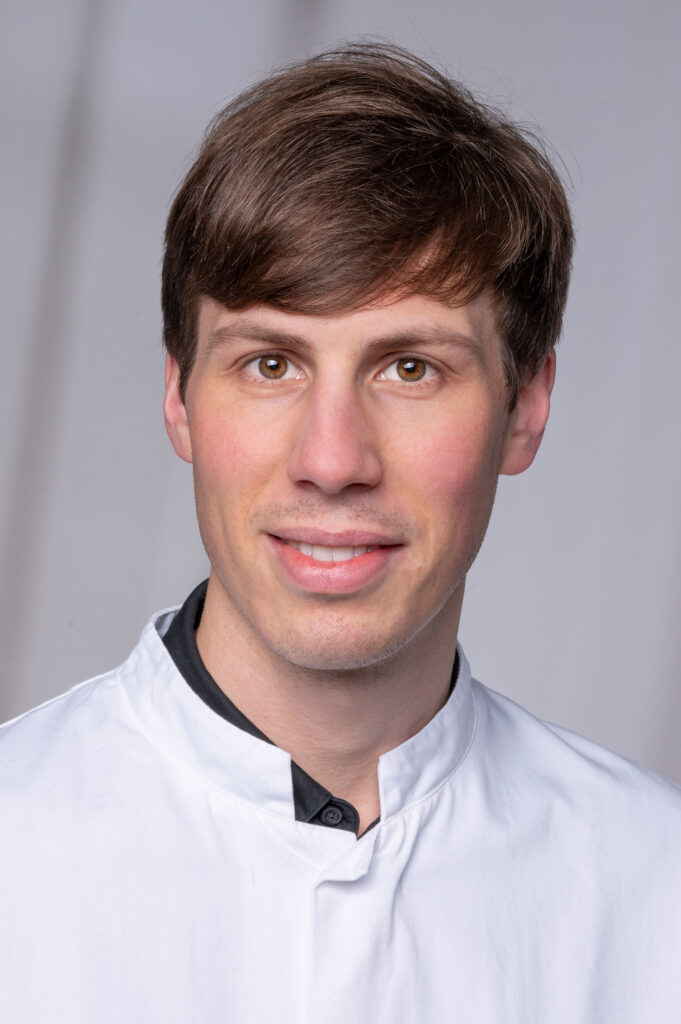
Johann Baptist Resch
Resident Physician
I obtained my medical degree at the University of Heidelberg with internships in Marseille and Paris, France, and Geneva, Switzerland. I started residency training in psychiatry at the University Hospital Heidelberg in 2018. Since 2022 I’m continuing my residency in neurology at the University Hospital Heidelberg, where I joined the Schüle lab in 2023. Clinically and scientifically, I’m particularly interested in neurodegenerative (atypical parkinsonian syndromes, HSP) and rare neurological disorders with a focus on neurogenetics.
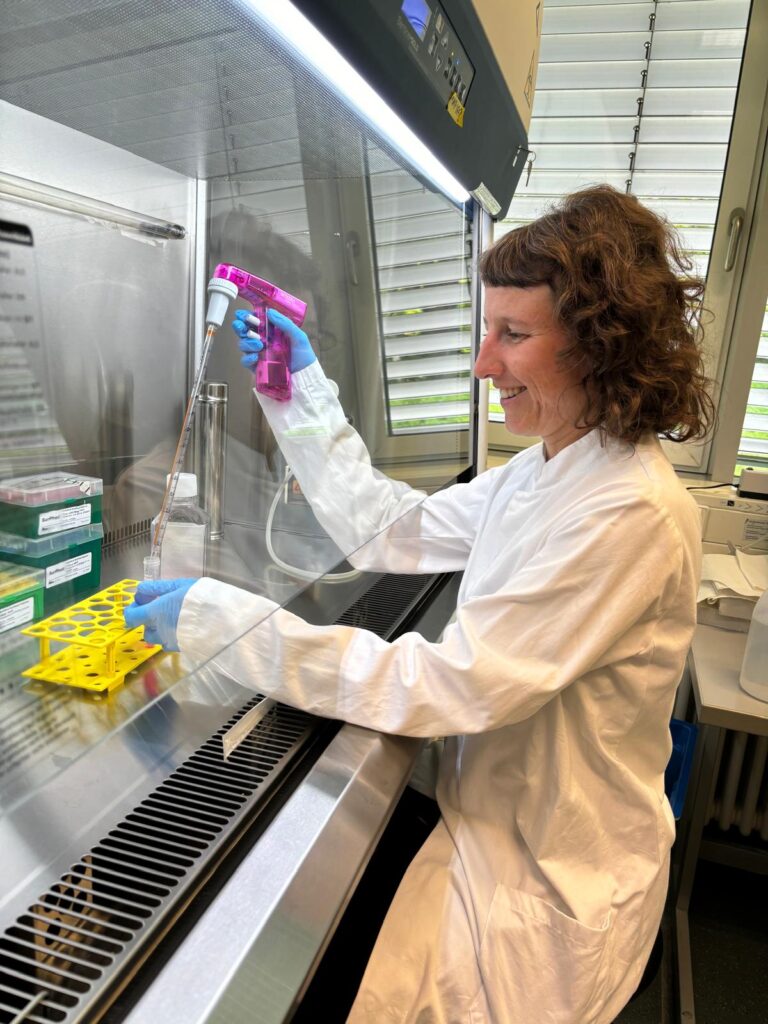
Sophie Schäfer
Laboratory Management & Technical Assistance
After graduating as a medical technician at the University Hospital in Tübingen, I worked in a variety of exciting positions in special clinical chemistry, later in quality control in a pharmaceutical company and for several years as the head of an animal shelter. When I joined AG Schüle 2022 in Tübingen, a new challenge began as the lab was about to be relocated and set up in Heidelberg.
In addition to many administrative tasks, I enjoy working on projects, especially in the field of primary and iPS cell culture and molecular genetics. I am happy to be part of a team with a translational focus on elucidating the causes of disease and developing therapies for our patients with ultra-rare diseases using in vitro models.
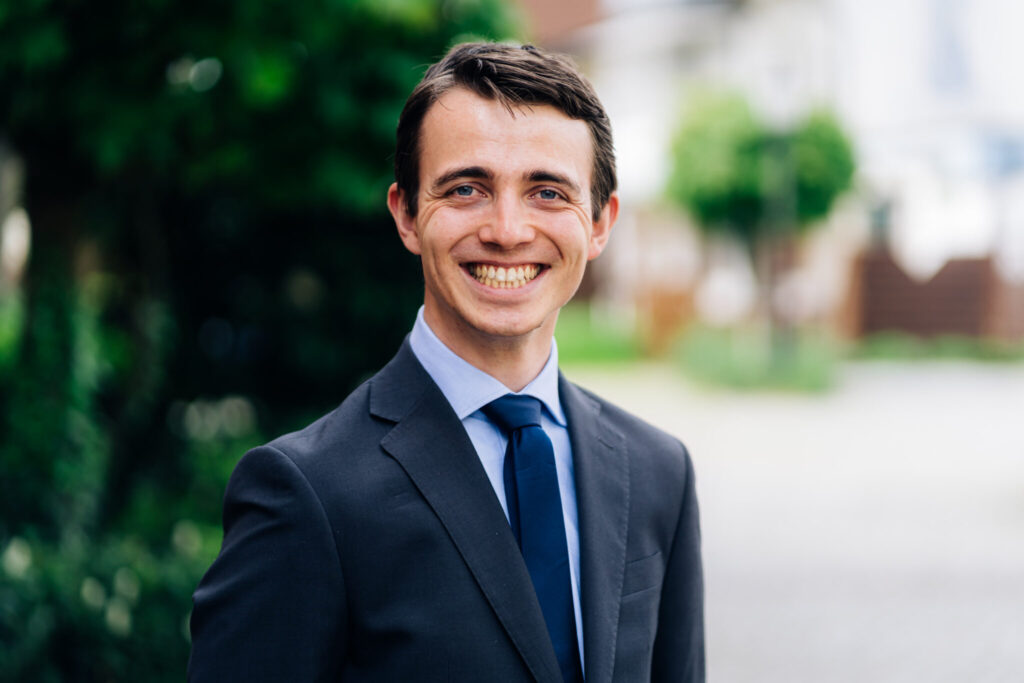
Lukas Scheiderer
PostDoc
Since my very first science lesson in high school, I am intrigued to understand processes on a fundamental level. Therefore, I studied chemistry and did my PhD in super-resolution microscopy, dissecting the walking mechanism of the motor protein kinesin-1. As I am fascinated by this important protein which transports various cargos through the cell, I would like to better understand its role the body and how it malfunctions in diseases – paving the way for novel, live-changing therapies.
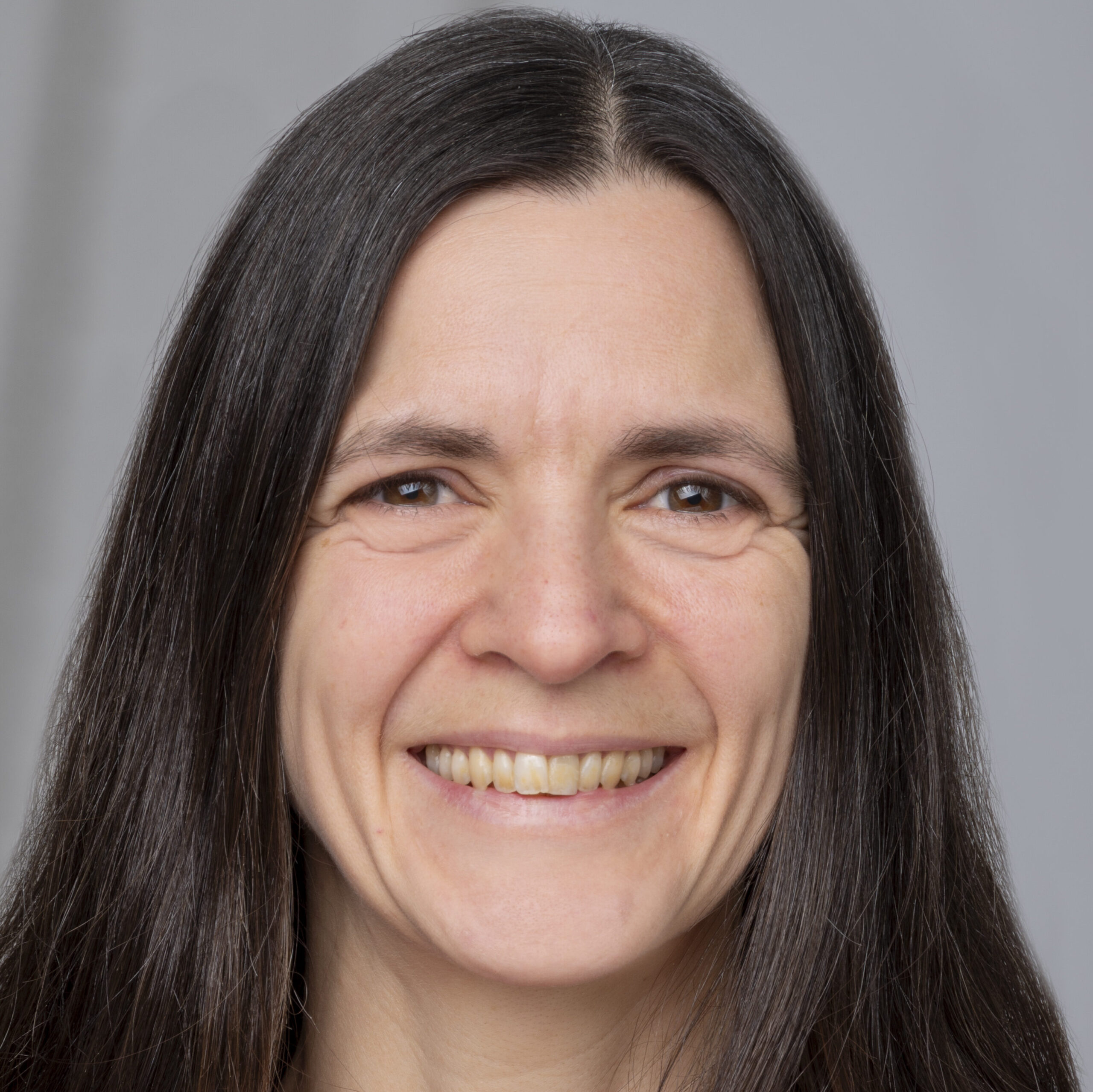
Sabrina Stängle
Scientific Project Coordination
As a nursing scientist, I worked in the laboratory of Prof André Fringer at the FHS St.Gallen and at the ZHAW in Winterthur (Switzerland) focussing on the topics of loneliness, social isolation, lonely dying and end-of-life decisions. I have always combined science and lecturing and at the same time supervised and reviewed students in their final theses.
I did my PhD under Prof André Fringer, Prof Wilfried Schnepp & Prof Margaretha Halek at Witten/Herdecke University and focused my mixed-methods research on the prevalence of „Voluntary Stopping of Eating and Drinking“ (VSED) in Switzerland, as well as on attitudes of health professionals about VSED. I am currently a scientific project coordinator in Prof Rebecca Schüle’s lab at Heidelberg University, coordinating EU projects, assisting in personnel and budget matters.
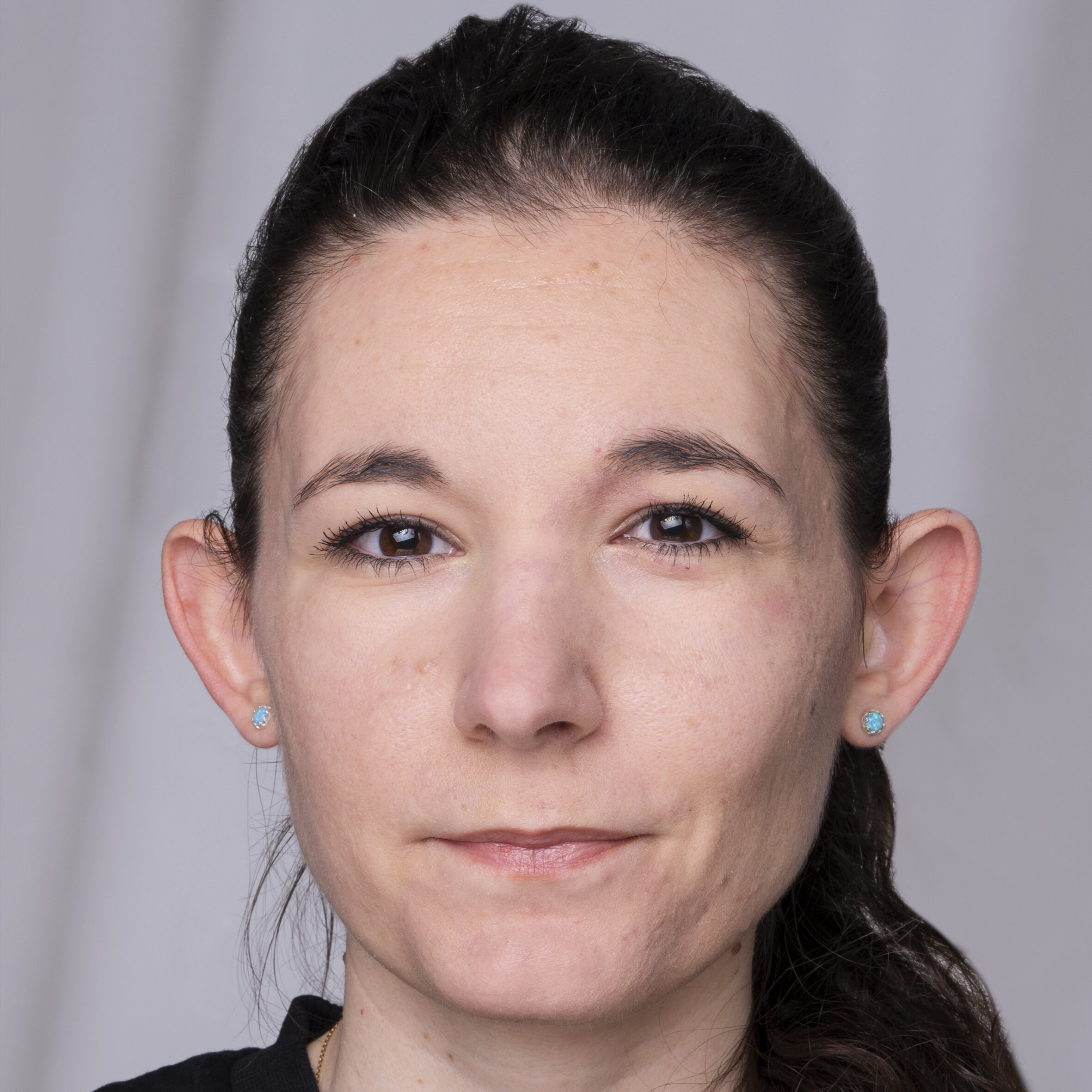
Valeria Ullrich
Technical Assistant
I finished my lab technician studies in Hamburg in 2021 and got my first position at the medical clinic of the University of Helsinki in Finland with Pfisterer Lab. There I assisted on research regarding automatization of lab experiments and the genetic cause of hypercholesterolemia, as well as managing all general lab tasks. After moving back to Germany, I started with AG Schüle in December 2023 and was able to integrate some of my experience as well as learning a lot of new and interesting things in the field of neurodegeneration, such as sequencing patient’s DNA and screening it for mutations. My main responsibility is the processing of patient’s biosamples and managing their storage in our own biobank. I am happy that in the ffield of basic medical research I am able to contribute to improving people’s lives in the future by understanding and treating the root causes of their diseases.
Eva-Maria Weiß
Resident Physician
Jishu Xu
PhD Student
Former Lab Members
Jonas Alex Morales Saute, MD, PhD, now Neurologist at Universidade Federal do Rio Grande do Sul